
When Everything Feels Unreal After Stopping Benzodiazepines
One of the most unsettling symptoms people report during benzodiazepine withdrawal is a sense that reality doesn’t feel real — or that they don’t feel like themselves. This experience is often described as derealization or depersonalization, and for those going through it, it can be deeply frightening.
People often say things like:
- “Everything feels foggy or unreal.”
- “I feel detached from my body or emotions.”
- “It feels like I’m watching my life instead of living it.”
These sensations can come on suddenly after reducing or stopping benzodiazepines, even when the medication was taken as prescribed. For many, the fear isn’t just the symptom itself — it’s the worry that something is permanently wrong.
Benzo withdrawal can strongly affect the nervous system, and symptoms like derealization and depersonalization are known withdrawal responses, not signs of losing touch with reality. Still, that doesn’t make them easy to endure — or something that should be handled alone.
This article explains why derealization and depersonalization can happen during benzodiazepine withdrawal, how these symptoms fit into the broader withdrawal process, and when medical support can help reduce risk and provide stability.
How Benzodiazepines Affect the Brain and Perception
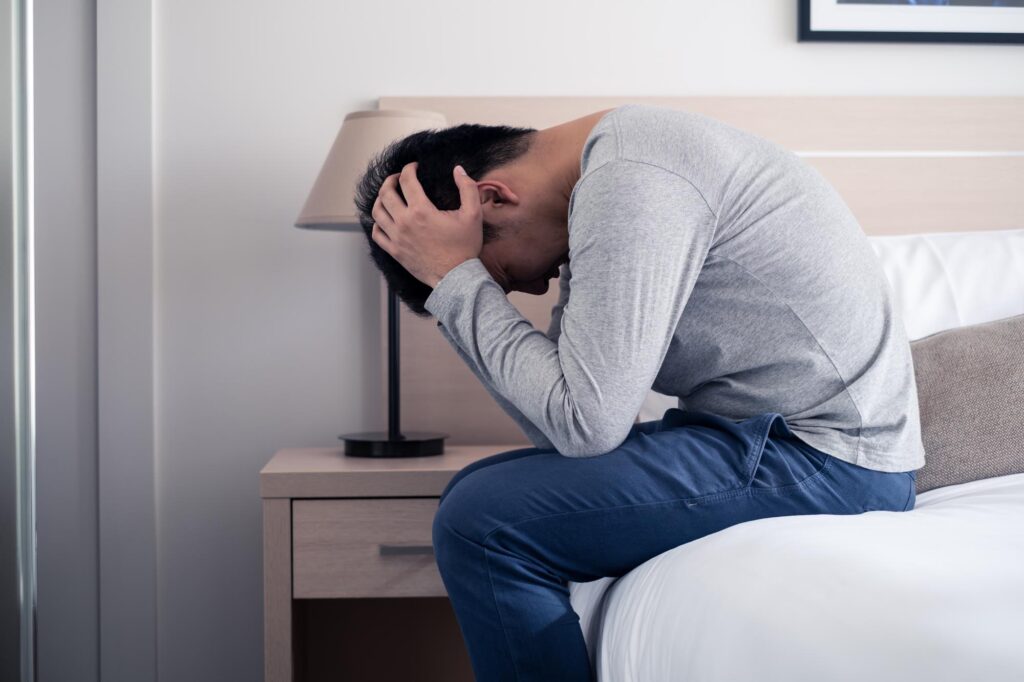
Benzodiazepines work by calming the central nervous system. They enhance the effects of GABA, a neurotransmitter that helps regulate anxiety, sensory processing, and the brain’s overall level of stimulation. Over time, the brain adapts to the presence of benzodiazepines by relying on them to maintain balance.
When benzodiazepines are reduced or stopped, that balance is disrupted.
During withdrawal, the brain can become overstimulated, especially in areas responsible for perception, emotion, and awareness. This overstimulation is one of the reasons symptoms like derealization and depersonalization can occur.
Instead of feeling calm and grounded, the nervous system may:
- Struggle to regulate sensory input
- Heighten awareness of internal sensations
- Create a sense of emotional or perceptual detachment
This can make the world feel unfamiliar or distorted — even though nothing about the external environment has actually changed.
Importantly, derealization and depersonalization during benzo withdrawal are functional symptoms, not signs of brain damage or psychosis. The brain is reacting to a sudden change in chemical regulation, not losing its ability to interpret reality.
Because benzodiazepines affect how the brain processes fear and safety, withdrawal can also amplify anxiety. That anxiety can intensify dissociative symptoms, creating a feedback loop where fear makes the sensations feel stronger and more persistent.
Understanding this connection doesn’t make the experience disappear — but it can help explain why these symptoms happen and why they can feel so consuming during withdrawal.
Derealization vs Depersonalization: What’s the Difference?
Derealization and depersonalization are closely related, and many people experience both at the same time during benzodiazepine withdrawal. While the terms sound clinical, they describe very real — and very distressing — sensations.
What Derealization Feels Like
Derealization affects how the world around you feels. People often describe:
- Feeling as if the environment looks flat, foggy, or distant
- Lights or sounds seeming too sharp or too dull
- A sense that the world feels “off,” unreal, or dreamlike
Even though surroundings look different, people experiencing derealization know intellectually that reality hasn’t changed — which is often part of what makes the feeling so unsettling.
What Depersonalization Feels Like
Depersonalization affects how you experience yourself. This can include:
- Feeling detached from your body or emotions
- A sense of watching yourself from the outside
- Feeling numb, robotic, or disconnected from identity
People often worry that depersonalization means they’re “losing themselves.” In reality, it’s the nervous system’s response to overwhelming stress and overstimulation — not a loss of self.
Why These Symptoms Often Overlap
Both derealization and depersonalization are forms of dissociation, which can occur when the brain is under intense stress. During benzo withdrawal, the nervous system may struggle to regulate fear and sensory input, making dissociative symptoms more likely.
These experiences can feel constant or come in waves. For some people, they fluctuate throughout the day; for others, they feel persistent and unrelenting.
What’s important to understand is that these symptoms are recognized withdrawal responses, not signs of permanent damage or a psychiatric emergency — even though they can feel deeply alarming.
When Derealization or Depersonalization During Benzo Withdrawal Becomes a Safety Concern

While derealization and depersonalization can be part of benzodiazepine withdrawal, there are times when these symptoms signal that additional medical support is important. The goal isn’t to panic — it’s to recognize when symptoms are becoming too intense to manage safely on your own.
Medical evaluation is especially important when dissociative symptoms:
- Are worsening instead of stabilizing
- Feel overwhelming or unrelenting
- Are accompanied by severe anxiety or panic
- Make it difficult to function day to day
- Occur alongside other withdrawal symptoms like tremors, confusion, or sleep deprivation
Benzodiazepine withdrawal can place significant strain on the nervous system. Without supervision, symptoms may intensify in unpredictable ways, increasing distress and risk.
Why Medical Supervision Matters With Benzodiazepines
Unlike some other substances, benzodiazepines affect critical brain functions related to calm, perception, and seizure threshold. Stopping them abruptly or without guidance can increase the risk of serious complications.
Medical supervision allows:
- Symptoms to be monitored and assessed in context
- Withdrawal to be managed more gradually and safely
- Anxiety and dissociative symptoms to be addressed without guesswork
For many people, just knowing that symptoms are being watched closely can reduce fear and help the nervous system begin to settle.
When It’s Better Not to “Push Through”
People experiencing derealization or depersonalization often try to endure it quietly, hoping it will pass. But when symptoms feel unbearable, constant, or frightening, pushing through alone can increase distress and prolong suffering.
Seeking support doesn’t mean something is “wrong” with you. It means your nervous system needs stabilization during a medically sensitive process.
Getting Help and Moving Through Benzo Withdrawal More Safely
Experiencing derealization or depersonalization during benzodiazepine withdrawal can feel isolating and frightening, especially when the symptoms don’t let up. Even when you understand why it’s happening, that knowledge doesn’t always make the experience easier to tolerate.
The most important thing to remember is that you don’t have to manage these symptoms alone.
Medical detox provides supervision during benzodiazepine withdrawal, allowing symptoms like dissociation, panic, and nervous system overstimulation to be monitored and addressed safely. This kind of support helps reduce risk and removes the burden of trying to judge what’s “normal” or “too much” on your own.
Getting help doesn’t mean you’ve failed or that symptoms will last forever. It means you’re choosing a safer environment while your nervous system stabilizes — which can make a significant difference in how withdrawal is experienced.
If derealization or depersonalization feels overwhelming, constant, or is affecting your ability to function, reaching out for assessment can bring clarity and support. A conversation doesn’t lock you into a decision — it simply helps you understand options and next steps.
When it comes to benzodiazepine withdrawal, medical supervision can provide both safety and reassurance during a very vulnerable time.