
Why So Many People Struggle to Sleep During Detox
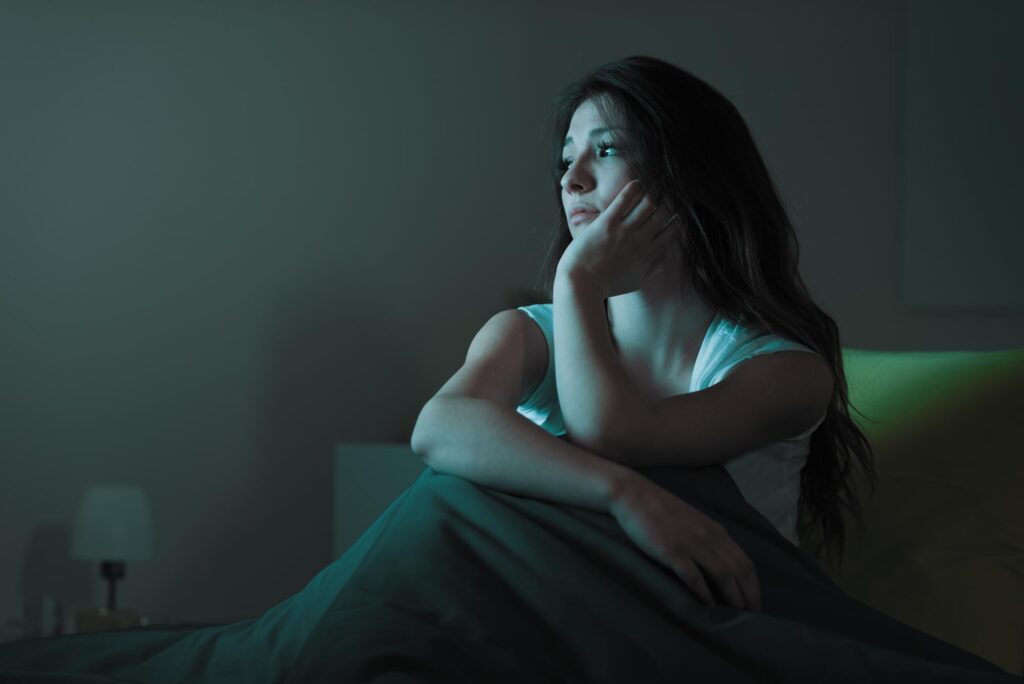
One of the most frustrating and unsettling symptoms during detox is insomnia. Even people who were able to sleep while using substances often find that once they stop, sleep becomes elusive — sometimes for days.
People commonly describe:
- Lying awake for hours despite exhaustion
- Falling asleep briefly, then waking repeatedly
- Vivid or disturbing dreams
- Night sweats or feeling overheated
- A racing mind that won’t slow down
This can feel alarming, especially when sleep loss makes everything else harder to cope with. Many people worry that something is wrong — or that they’ll never sleep normally again.
In reality, insomnia during detox is extremely common, and in most cases, it’s a sign that the nervous system is adjusting — not that permanent damage has occurred.
Substances like alcohol, opioids, stimulants, and benzodiazepines all affect the brain’s sleep-wake cycle. Over time, the brain adapts to falling asleep with chemical assistance. When those substances are removed, the brain has to relearn how to regulate sleep on its own.
This adjustment period is why sleep often gets worse before it gets better.
This article explains why insomnia is so common during detox, what kinds of sleep changes people may experience, how long sleep disruption can last, and when it’s important to seek help — without offering treatment instructions or quick fixes.
How Detox Disrupts the Brain’s Sleep Cycle
Sleep isn’t just about being tired — it’s regulated by a delicate balance of brain chemicals that control relaxation, alertness, and circadian rhythm. During detox, that balance is temporarily disrupted.
Substances Change How the Brain Falls Asleep
Many substances interfere with natural sleep patterns:
- Alcohol may cause drowsiness but disrupts deep and REM sleep
- Opioids dull pain and anxiety but suppress restorative sleep cycles
- Stimulants override the body’s natural sleep signals
- Benzodiazepines artificially calm the nervous system
Over time, the brain adjusts to sleeping with these substances present. Natural sleep-regulating chemicals become less active because the body relies on the substance to do the work.
What Happens When Substances Are Removed
When detox begins and substances are no longer present, the brain has to relearn how to regulate sleep on its own. During this transition:
- Stress chemicals may be elevated
- Relaxation signals may be reduced
- The nervous system may remain in a “hyper-alert” state
This can make it hard to fall asleep, stay asleep, or feel rested — even when exhaustion is extreme.
Why Sleep Can Feel Worse at Night
Many people notice that anxiety, restlessness, and racing thoughts intensify at night during detox. This happens because:
- There are fewer distractions
- The nervous system is already overstimulated
- Hormones that promote alertness may still be elevated
Nighttime insomnia during detox doesn’t mean sleep is permanently broken — it means the brain hasn’t fully reset its rhythm yet.
Why This Phase Is Temporary
Although insomnia during detox can feel endless, the brain’s sleep systems are resilient. As withdrawal symptoms ease and the nervous system stabilizes, sleep typically begins to improve — often gradually, not all at once.
Understanding that this disruption is part of the adjustment process can help reduce fear during sleepless nights.
Common Sleep Problems During Detox
Insomnia during detox doesn’t look the same for everyone. Some people can’t fall asleep at all, while others sleep briefly but wake feeling unsettled. These patterns are uncomfortable, but they’re also very common during withdrawal.
Trouble Falling Asleep
Many people feel exhausted but “wired” at the same time. This can look like:
- Lying awake for hours despite fatigue
- Racing thoughts that won’t slow down
- A sense of restlessness or inner agitation
This happens because the nervous system may still be in a heightened alert state, even when the body is physically tired.
Frequent Waking or Light Sleep
Some people fall asleep but wake repeatedly throughout the night. Sleep may feel:
- Shallow or fragmented
- Easily disrupted by noise or movement
- Unrefreshing, even after several hours
This type of sleep disruption is common as the brain relearns how to cycle through deeper stages of sleep.
Vivid or Disturbing Dreams
Intense or vivid dreams are common during detox, especially after substances that suppress REM sleep. As REM sleep returns, dreams can feel:
- More realistic
- Emotionally charged
- Unsettling or memorable
While these dreams can be distressing, they often signal that the brain’s sleep architecture is rebalancing.
Night Sweats and Temperature Changes
Many people experience night sweats, chills, or feeling overheated during detox. These symptoms can:
- Interrupt sleep
- Cause frequent waking
- Increase anxiety around bedtime
Temperature regulation is closely tied to the nervous system, which is often unstable during early detox.
Why These Symptoms Feel So Disturbing
Sleep problems affect mood, concentration, and emotional resilience. When sleep is disrupted, other withdrawal symptoms can feel more intense, creating a cycle of exhaustion and worry.
The key thing to remember is that these sleep changes are usually temporary, even when they feel severe.
How Long Insomnia During Detox Usually Lasts (and Why It Varies)
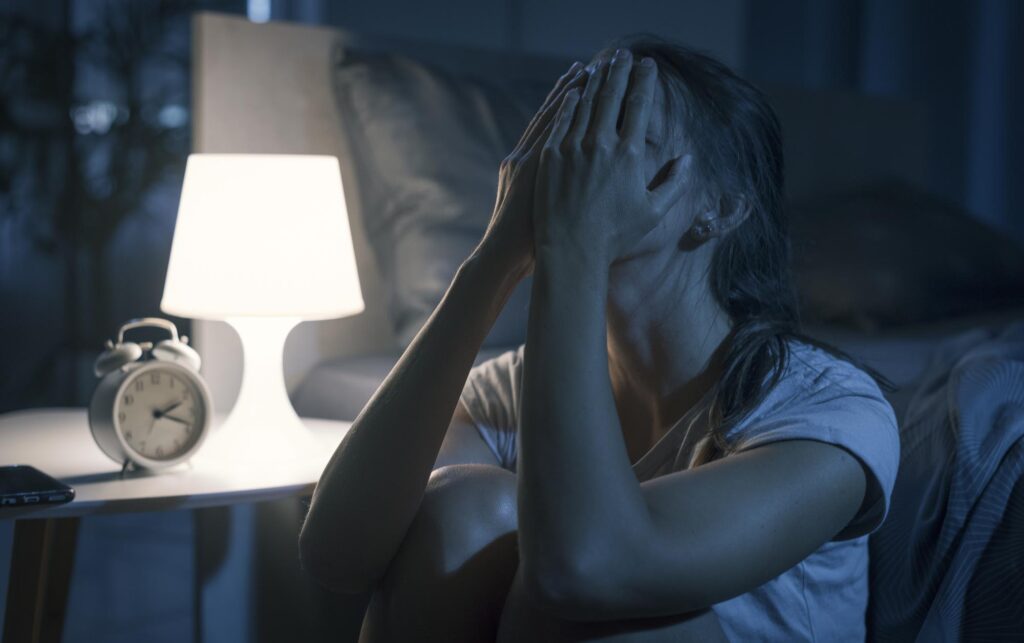
One of the most common questions people have during detox-related insomnia is “How long will this last?” Unfortunately, there isn’t a single answer — but understanding why sleep disruption varies can make the experience feel less frightening.
Why There’s No One-Size-Fits-All Timeline
Insomnia during detox depends on several factors, including:
- The substance (or substances) involved
- How long and how often use occurred
- Overall nervous system sensitivity
- Stress levels and environment
- Whether other withdrawal symptoms are present
Because detox affects the nervous system, sleep disruption often improves gradually, not overnight.
What Improvement Often Looks Like
Rather than suddenly sleeping eight hours again, people often notice:
- Falling asleep a little faster
- Sleeping for longer stretches
- Fewer night sweats or awakenings
- Dreams becoming less intense
- Feeling slightly more rested, even with limited sleep
These small shifts are signs the brain is recalibrating — even if sleep still feels far from “normal.”
Why Sleep May Improve, Then Get Worse Again
It’s common for sleep during detox to fluctuate. A few better nights may be followed by rough ones. This doesn’t mean progress has stopped — it reflects how the nervous system stabilizes in stages.
Fluctuations are especially common when:
- Other withdrawal symptoms spike
- Stress or anxiety increases
- The body is overtired
When Insomnia Becomes Harder to Manage
Sleep loss may need extra support if:
- Several nights pass with almost no sleep
- Anxiety or agitation worsens due to exhaustion
- Night sweats or physical symptoms intensify
- Mood becomes unstable or unsafe
Persistent sleep deprivation can make withdrawal feel much harder, which is why support can matter during this phase.
When to Seek Help for Insomnia During Detox
Not sleeping during detox can make everything feel harder — emotionally, physically, and mentally. While sleep disruption is common, you don’t need to wait until exhaustion becomes unbearable to ask for help.
It’s reasonable to reach out if:
- You’ve gone several nights with little to no sleep
- Insomnia is worsening anxiety, agitation, or low mood
- Night sweats or physical symptoms keep interrupting rest
- Fatigue makes it hard to function during the day
- You’re unsure whether sleep problems are part of withdrawal or something else
Getting support doesn’t mean something is wrong or that you’ve failed to cope. It means you’re responding appropriately to how your body is adjusting.
Many people contact New Beginnings Recovery simply to talk through what they’re experiencing and understand whether sleep disruption is expected during detox — or whether additional support could help stabilize things sooner.
A confidential conversation with admissions can help clarify next steps, reduce uncertainty, and make this phase feel more manageable. When sleep loss starts to affect your well-being, you don’t have to push through it alone.